
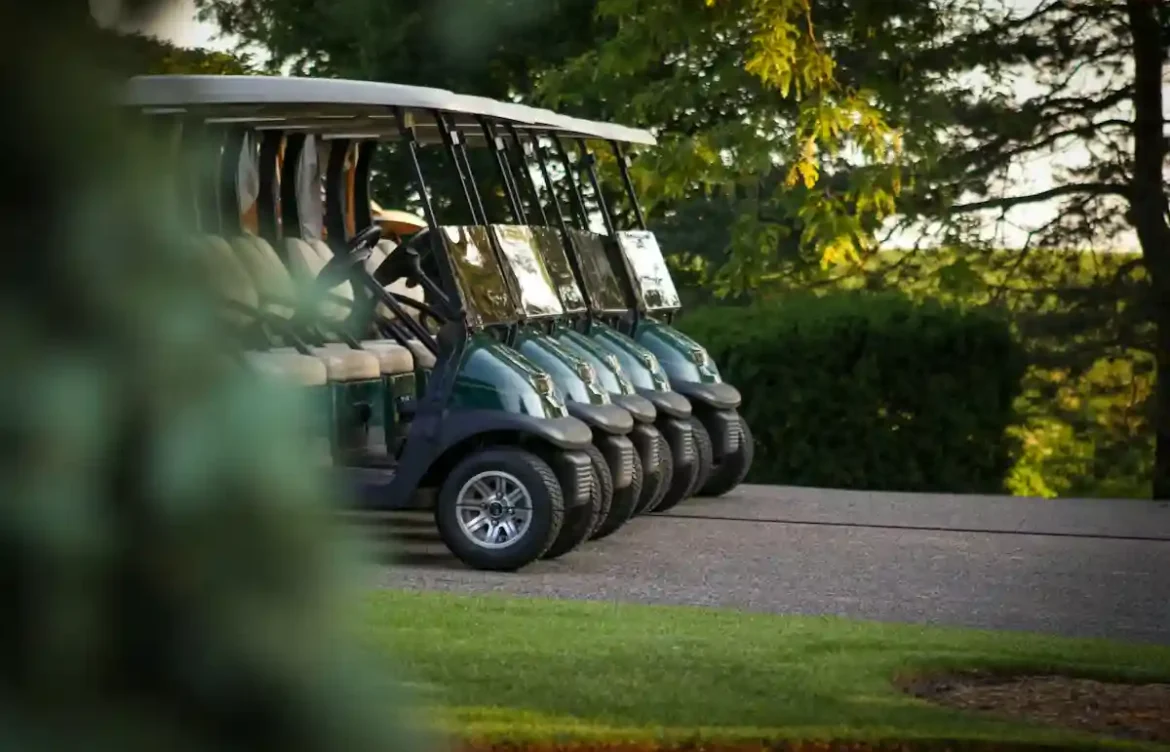
How To Choose The Right Gold Carts For Your Golf Course?
Choosing the right golf carts for your golf course is an important decision that directly affects player experience, operational efficiency, and long-term maintenance costs. Golf carts are more than just transportation; they contribute to the overall comfort, pace of play, and professional image of your course. With various models, power options, and features available, selecting the most suitable carts requires careful evaluation.
Below are key factors every golf course owner or manager should consider before investing in golf carts.
1. Evaluate the Size and Terrain of Your Golf Course
The layout and terrain of your golf course play a major role in determining the right type of golf carts. Courses with hilly landscapes, long distances between holes, or uneven ground require carts with strong engines and reliable suspension systems.
Flat courses may allow for lighter models, while challenging terrains demand higher torque and durability. Understanding your course layout ensures that the carts you choose can perform efficiently without excessive wear and tear.
2. Choose the Right Power Source for Performance and Cost
Golf carts typically come in gas-powered or electric options, each with its own advantages. Gas carts are known for consistent performance, longer range, and quick refuelling, making them ideal for busy courses with continuous use.
Electric carts, on the other hand, offer quieter operation and lower emissions. Consider your daily usage, charging infrastructure, fuel availability, and long-term operating costs before deciding on the power source that best suits your course.
3. Consider Yamaha Gas Golf Carts for Reliability
When reliability and performance are priorities, yamaha gas golf carts are a popular choice among golf course operators. These carts are known for powerful engines, smooth acceleration, and durable construction.
Yamaha golf carts perform well on varied terrain and require minimal downtime, which is essential for maintaining smooth course operations. Their reputation for longevity and ease of maintenance makes them a strong investment for courses seeking dependable transportation solutions.
4. Focus on Comfort and Player Experience
Player comfort should never be overlooked when selecting golf carts. Comfortable seating, smooth suspension, easy steering, and adequate legroom all contribute to a better golfing experience.
Modern carts also offer additional features such as USB charging ports, cup holders, and weather protection. Enhancing comfort encourages repeat visits and improves overall customer satisfaction, which directly benefits your course’s reputation.
5. Assess Maintenance, Warranty, and Long-Term Value
Beyond initial purchase costs, long-term maintenance and service availability are crucial considerations. Choose carts from manufacturers with strong warranty coverage and readily available replacement parts.
Easy maintenance reduces downtime and operational expenses. Investing in high-quality carts may have a higher upfront cost but often results in better durability, fewer repairs, and higher resale value over time.
Conclusion
Selecting the right golf carts for your golf course requires balancing performance, comfort, reliability, and long-term value. By evaluating your course terrain, choosing the right power source, considering Yamaha golf carts, prioritising player comfort, and planning for maintenance needs, you can make a well-informed investment. The right golf carts not only enhance gameplay but also elevate the overall experience and efficiency of your golf course.