
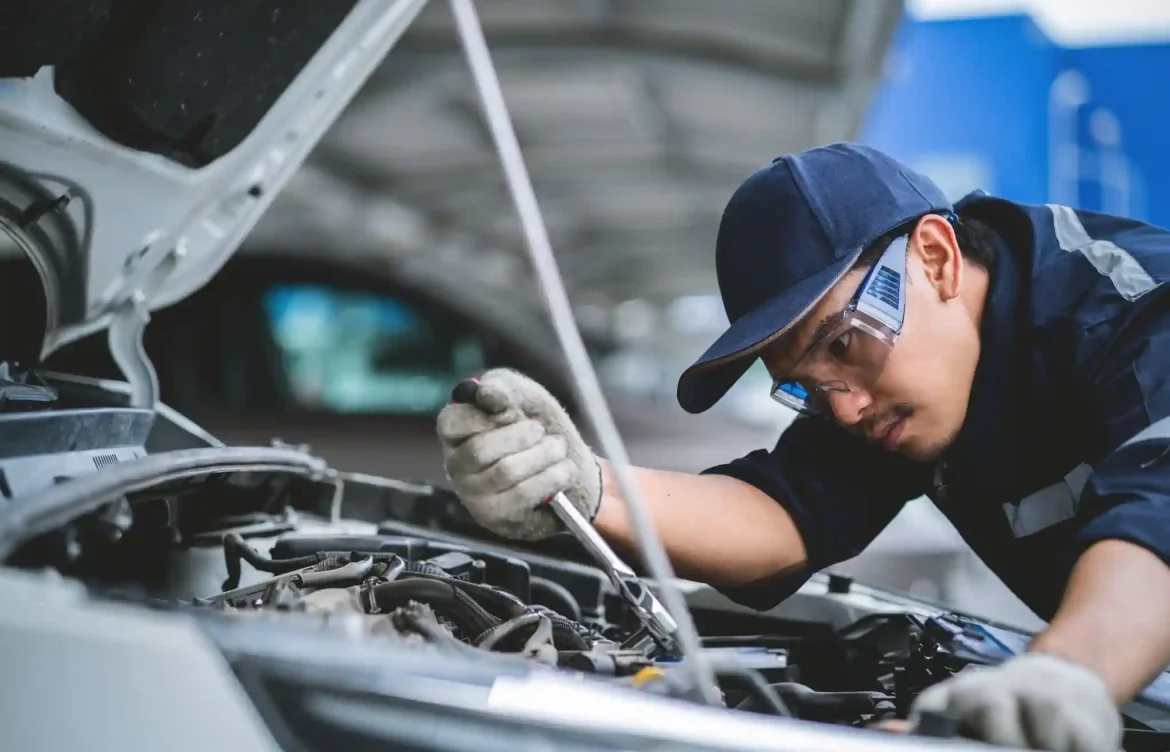
Professional vs. DIY Vehicle Maintenance Guide
Choosing between professional and DIY vehicle maintenance can be a tough decision. For many car owners, this choice hinges on various factors, from cost and convenience to personal skill levels and vehicle complexity. In this guide, we’ll explore the advantages of both approaches, helping you make an informed decision that suits your lifestyle and your car’s needs.
Evaluating Professional Vehicle Maintenance
When it comes to professional vehicle maintenance, there are clear advantages that make it a preferred choice for many. The first major benefit is the specialized knowledge that professional mechanics bring to the table. These experts have undergone extensive training and possess the necessary certifications. This knowledge allows them to diagnose complex issues that a typical car owner might miss. For instance, if your engine light comes on, a professional can quickly determine if it’s an easy fix or a sign of something more serious.
Moreover, professional mechanics have access to advanced diagnostic tools and equipment. These tools can provide a level of detail that enhances the accuracy of repairs. While many DIY enthusiasts may have basic tools, they often lack the specialized equipment necessary for in-depth diagnostics. A mechanic can use these tools to pinpoint issues that might not be immediately apparent, saving you time and potential further complications down the line.
Another significant factor is time efficiency. For busy individuals, finding time to perform vehicle maintenance can be challenging. Professional services can often complete the work much quicker than you could on your own, allowing you to focus on other important aspects of your life. When you drop your car off for maintenance, you can go about your day without worrying about the process. This convenience is invaluable, especially for those juggling work and family commitments.
Embracing DIY Vehicle Maintenance
On the flip side, many car owners choose to embrace DIY vehicle maintenance. One of the most appealing aspects of this approach is the potential for cost savings. By doing maintenance tasks yourself, you eliminate labor costs, which can significantly add up over time. Purchasing parts directly from retailers can also be less expensive than relying on a shop that marks up prices for parts.
Beyond the monetary savings, DIY maintenance can be incredibly empowering. Many people find joy in learning how to take care of their vehicles. Completing a task like changing your oil or replacing your air filter can provide a sense of accomplishment. With every successful DIY project, your confidence grows, and you become more adept at understanding your vehicle.
Additionally, DIY vehicle maintenance allows for a tailored experience. You can customize your maintenance routine to fit your specific needs and preferences. For example, if you prefer a certain brand of oil or filter, you can use those products without restrictions. This level of control can lead to a more personalized connection with your vehicle, enhancing your overall ownership experience.
The rise of online communities and resources has also made DIY maintenance more accessible. With countless forums, videos, and guides available, car owners can easily find information about almost any maintenance task. These resources provide support and encouragement, making it easier to tackle projects that might have seemed daunting. Engaging with other DIY enthusiasts can also foster a sense of community, where you can share experiences and learn from one another.
Weighing the Pros and Cons
As you consider your options, it’s essential to weigh the pros and cons of both professional and DIY maintenance. Understanding the financial implications can offer clarity. While DIY maintenance often presents lower upfront costs, it’s crucial to factor in the potential for mistakes. An incorrect repair can lead to more significant issues and higher expenses down the line. Conversely, professional maintenance may be pricier, but it often comes with the assurance of quality and accountability.
The time commitment is another vital aspect to consider. Professional services typically streamline the process, allowing you to drop off your vehicle and return later. In contrast, DIY maintenance can take considerable time, especially if you’re still learning. It’s important to assess how much time you can realistically dedicate to maintaining your vehicle without compromising your daily responsibilities.
Quality assurance is a significant consideration as well. Professionals often provide warranties for their work, giving you peace of mind that if something goes wrong, they will take responsibility. In contrast, DIY repairs lack this layer of accountability. If a mistake occurs, you’re solely responsible for fixing it, which can be stressful. Understanding these distinctions can help you make a balanced decision that aligns with your priorities.
Making the Right Choice for Your Vehicle
Ultimately, the decision between professional and DIY maintenance comes down to your unique situation. Assessing the complexity of your vehicle is an essential first step. Modern vehicles often come equipped with advanced technology and intricate systems. Some tasks, such as electrical repairs or engine work, may be better left to professionals who have the necessary expertise. If your car is relatively straightforward and lacks complicated systems, you may feel more comfortable tackling maintenance tasks yourself.
Personal comfort and skill level also play a crucial role in this decision. If you’ve had prior experience working on vehicles and feel confident in your abilities, DIY maintenance can be a rewarding choice. However, if you’re new to car maintenance or unsure of your skills, seeking professional help is wise. Taking on a task you’re not equipped to handle can lead to frustration and costly repairs.
Long-term vehicle strategy is another important consideration. Think about what you want from your vehicle in the long run. Are you planning to keep it for many years, or do you intend to sell it soon? If you’re looking for longevity, regular professional maintenance might be worth the investment. A well-maintained vehicle typically retains its value better and is less likely to encounter significant issues. On the other hand, if you’re in a position where you can manage basic maintenance tasks without overextending yourself, a DIY approach could save you money while still ensuring your vehicle remains in good condition.
Conclusion
In conclusion, the choice between professional and DIY vehicle maintenance is not a one-size-fits-all decision. Each approach has its unique benefits and challenges, and the best choice depends on your specific circumstances. Taking the time to evaluate your skills, your vehicle’s condition, and your long-term goals will help ensure that you make a decision that works for you.
Regardless of the path you choose, the key is to stay informed and proactive about your vehicle’s care. Regular maintenance is essential for ensuring safety, performance, and longevity. So whether you roll up your sleeves for some DIY work or drop your car off with a trusted mechanic, the important thing is that you prioritize your vehicle’s needs. By doing so, you’ll not only enjoy a smoother driving experience but also protect your investment for years to come.
FAQs
1. When should I definitely seek professional help?
If you’re facing complex issues like electrical problems, engine diagnostics, or anything that requires specialized knowledge, it’s best to consult a professional.
2. How can I safely start with DIY maintenance without risking my vehicle?
Begin with simple tasks like changing oil or filters. Use reputable online resources for guidance and ensure you have the right tools.
3. What are the best resources for learning DIY maintenance?
Online forums, YouTube tutorials, and car-specific maintenance guides are excellent places to start.
4. How do I know if a mechanic is trustworthy?
Look for reviews, ask for recommendations from friends, and check for certifications. A trustworthy mechanic will be transparent and willing to explain repairs.
5. Can I mix professional and DIY maintenance approaches successfully?
Absolutely. Many car owners choose to do basic tasks themselves while leaving more complex work to professionals. This hybrid approach can be effective and economical.