
Is Waterless Car Washing Safe and Eco-Friendly?
Washing your car is an essential part of maintaining its shine and protecting its surface. With growing concerns about water conservation and sustainability, it’s time to rethink traditional car washing methods. Enter waterless car washing, a convenient, eco-friendly alternative that’s gaining popularity among car enthusiasts and environmental advocates alike. However, is this method truly safe for your car, and does it live up to its eco-friendly claims? Let’s explore what waterless car washing is, its benefits, potential drawbacks, and how it can transform the way we care for our vehicles.
What Is Waterless Car Washing?
Waterless car washing is a method of cleaning your car without using any water. Instead, it relies on specially formulated cleaning sprays designed to lift dirt and grime from the surface of your car. These sprays are made with lubricants and cleaning agents that loosen dirt particles, allowing you to wipe them away with a microfiber cloth.
This method is ideal for those who don’t have easy access to a hose or who want a quick, mess-free cleaning solution. Unlike traditional car washes that require gallons of water, waterless washing is portable, efficient, and environmentally friendly. It’s particularly effective for lightly dirty cars and can be done almost anywhere, making it a convenient option for busy car owners.
Benefits of Waterless Car Washing
Saves Water Resources
One of the biggest advantages of waterless car washing is its ability to save water. Traditional car washing methods can use up to 100 gallons of water per wash, leading to significant water waste. In comparison, waterless products eliminate the need for any water at all, making them a sustainable choice for environmentally conscious individuals.
This eco-friendly approach not only conserves water but also prevents water runoff from carrying chemicals and dirt into local water systems. For those living in areas with water restrictions or drought conditions, waterless car washing offers a practical and effective alternative that supports water conservation efforts.
Convenience and Efficiency
Waterless car washing is incredibly convenient, especially for people who are always on the go. You can clean your car anywhere, whether it’s parked in your driveway, at work, or even on the street. There’s no need for a hose, bucket, or access to running water.
The process is also much faster than traditional washing, often taking just 15-20 minutes to complete. This makes it perfect for individuals who want to maintain their car’s cleanliness without dedicating hours to the task. Plus, since it doesn’t create a mess, you don’t have to worry about cleaning up afterward.
Gentle on Car Surfaces
When used correctly, waterless car washing can be gentler on your car’s surface compared to traditional methods. The lubricants in the spray reduce friction, minimizing the chances of scratches or swirl marks.
By using high-quality microfiber cloths, you can effectively trap dirt and avoid smearing it across your car’s surface. Additionally, many waterless car wash products contain protective agents that add a layer of shine and safeguard your car’s paint against UV damage.
Is Waterless Car Washing Safe for Your Vehicle?
Waterless car washing is generally safe for your vehicle when done properly. The key lies in the products you use and how you apply them. Reputable waterless car wash sprays are formulated with gentle cleaning agents and lubricants that protect your car’s paint while effectively removing dirt and grime.
However, safety depends on technique. It’s important to use a clean microfiber cloth and apply minimal pressure when wiping. Avoid using waterless methods on cars that are heavily soiled, as excessive dirt or mud can act as an abrasive and scratch the paint. If used regularly and with the right products, waterless car washing can keep your car looking new without causing any damage.
The Eco-Friendly Aspect of Waterless Car Washing
Waterless car washing is not only convenient but also environmentally friendly. Traditional car washes often result in water runoff filled with soap, dirt, and chemicals, which can contaminate local water supplies. Waterless washing eliminates this issue as it requires no water.
Many waterless car wash products are biodegradable, meaning they break down naturally without harming the environment. By choosing eco-friendly formulas, you can reduce your environmental footprint even further. In addition, waterless car washing reduces the energy and resources typically associated with traditional car washes, making it a more sustainable option for long-term car care.
Potential Drawbacks of Waterless Car Washing
While waterless car washing has many advantages, it’s not without its limitations. One major drawback is that it’s not suitable for heavily soiled vehicles. Thick layers of mud or dirt require water to rinse off before any cleaning product can do its job. Attempting to clean such surfaces with waterless methods can lead to scratches or ineffective cleaning.
Another concern is the cost. Waterless car wash sprays can be more expensive than traditional soaps, especially if you’re using high-quality, eco-friendly products. However, the convenience and water savings often outweigh the higher upfront cost for many users. Lastly, improper technique can cause damage to your car’s paint. Using dirty cloths, applying too much pressure, or failing to follow product instructions can lead to scratches or streaks. Learning the proper way to use waterless washing products is crucial to avoid these issues.
How to Choose the Right Waterless Car Washing Products
Not all waterless car wash products are created equal. When selecting a product, look for formulas that are labeled as eco-friendly and biodegradable. These are not only better for the environment but also safer for your car’s paint and finish.
Avoid products with harsh chemicals or abrasive ingredients, as they can damage your car’s surface. Trusted brands often list their ingredients and include certifications for eco-friendliness, giving you peace of mind about their safety. Reading reviews and seeking recommendations can help you find a product that fits your needs and budget. Investing in high-quality cleaning sprays will ensure better results and protect your car in the long run.
Expert Tips for Effective Waterless Car Washing
To get the best results from waterless car washing, preparation is key. Start by parking your car in a shaded area to prevent the cleaning product from drying too quickly. Shake the spray bottle well before use and apply the product to one section of the car at a time.
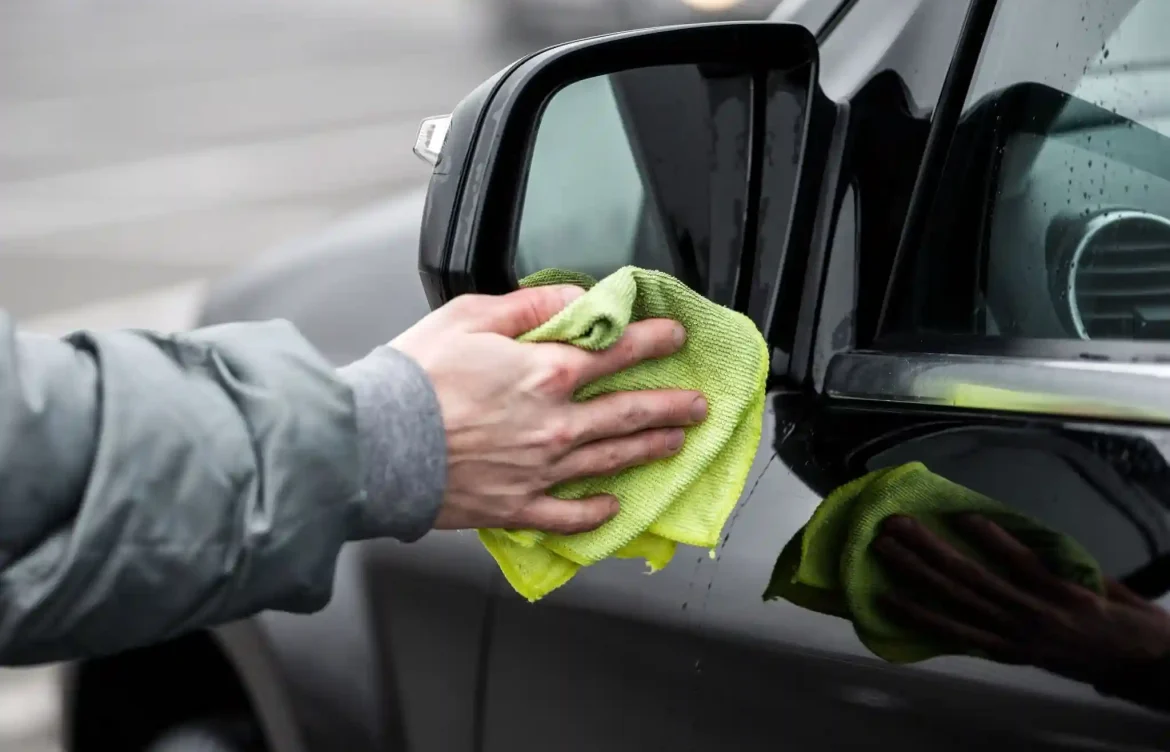
Use a high-quality microfiber cloth to wipe the surface gently. Fold the cloth frequently to expose a clean side and avoid spreading dirt. Work in straight lines rather than circular motions to minimize the risk of swirl marks. After cleaning, use a separate dry cloth to buff the surface and achieve a streak-free shine.
For best results, clean your car regularly to prevent dirt buildup. Waterless car washing is most effective when your vehicle has only light dust or grime. If your car is heavily soiled, a traditional wash may be necessary before switching back to waterless cleaning methods.
Future of Waterless Car Washing
The demand for waterless car washing is expected to grow as more people prioritize sustainability and convenience. Innovations in cleaning product formulations are making waterless sprays more effective and accessible to a wider audience.
The automotive industry is also embracing eco-friendly solutions, with car care companies developing biodegradable products that align with environmental goals. As awareness of water conservation grows, waterless car washing is likely to become a standard practice for many car owners. Its combination of efficiency, safety, and eco-friendliness makes it an appealing choice for the future.
Conclusion
Waterless car washing is a game-changing method that offers both safety and sustainability. It saves water, reduces environmental impact, and provides a convenient way to keep your car looking its best. While it’s not ideal for heavily soiled vehicles, it’s a fantastic option for regular maintenance and light cleaning. By choosing the right products and learning proper techniques, you can enjoy the benefits of waterless washing without compromising your car’s finish. As we move toward a more eco-conscious future, adopting practices like waterless car washing can make a big difference. So, the next time your car needs a touch-up, consider going waterless. It’s better for your car, better for the environment, and better for you.