
When Is the Best Time to Schedule Car Detailing for Maximum Results?
Car detailing is not just about making a vehicle look clean. It is about protecting paint, preserving interior materials, and keeping the car in good condition for a longer time. Many people think detailing can be done anytime, but timing actually plays a major role in the final results. Choosing the best time for car detailing can improve shine, durability, and long-term protection. Weather conditions, driving habits, and seasonal changes all affect how well detailing products perform. In this guide, we will look at the right timing strategies and explain how smart scheduling improves overall vehicle care and long-term results.
Why Timing Matters in Car Detailing
Timing is often ignored in car detailing, but it has a direct impact on quality and durability. When detailing is done at the right time, products like wax, polish, and ceramic coatings bond properly with the surface, creating stronger protection. If the timing is wrong, these products may not cure correctly or may wear off faster than expected, reducing their effectiveness. For example, applying products in direct sunlight can lead to uneven finishes, while very cold or humid conditions can slow down drying and bonding. This is why understanding the best time for car detailing is important, because it ensures every step of the process works properly and delivers long-lasting results instead of temporary shine.
Seasonal Factors That Affect Detailing Results
Summer Conditions and Heat Exposure
Summer is often chosen for car cleaning, but it comes with challenges that affect detailing quality. High temperatures can make products dry too quickly, which can lead to streaks, uneven coating, or reduced bonding strength. Direct sunlight also increases surface temperature, making it difficult for wax and sealants to settle properly. Because of this, professionals usually prefer early morning or shaded areas during hot months. Choosing the best time for car detailing in summer is about avoiding peak heat hours and selecting stable conditions that allow products to work slowly and evenly, which results in a smoother finish and longer-lasting protection.
Winter and Cold Weather Challenges
Winter creates a completely different set of challenges for car detailing. Cold temperatures slow down chemical reactions in detailing products, which can reduce their bonding ability and effectiveness. Road salt, slush, and moisture also increase the need for protection, but improper timing can lead to poor results or even surface damage. In colder months, indoor detailing becomes more effective because it provides stable temperature conditions for proper application. Understanding the best time for car detailing in winter is important because it ensures that protective layers form correctly and last longer despite harsh environmental conditions.
Weather Conditions and Their Impact on Detailing
The weather is one of the most important factors when deciding the best time for car detailing. Ideal conditions usually include moderate temperatures, low humidity, and no direct sunlight. Rainy or highly humid weather can interfere with drying times and reduce the effectiveness of protective coatings, making them less durable. Windy conditions also create problems by introducing dust and debris during application, which can affect the final finish. Even small particles can ruin a smooth surface if they settle during detailing. That is why choosing a calm, dry day helps ensure better application, stronger bonding, and a more polished and long-lasting result.
Frequency of Driving and Vehicle Usage Patterns
Daily Commuters vs Occasional Drivers
How often you use your vehicle has a direct impact on detailing needs. Daily commuters expose their cars to dust, pollution, road grime, and frequent wear, which makes regular detailing more important for maintaining both appearance and protection. For these users, finding the best time for car detailing means scheduling it more frequently to keep the car in good condition. On the other hand, occasional drivers may not require frequent detailing but should still follow a seasonal schedule to protect paint and interior materials from long-term environmental exposure and slow damage buildup.
Long Distance Travel Impact
Vehicles that are used for long-distance travel face different challenges compared to city driving. Highway driving exposes cars to insects, road debris, dust, and changing weather conditions, which can quickly affect both exterior and interior surfaces. After long trips, scheduling detailing becomes important to restore cleanliness and prevent permanent damage. Timing it shortly after travel helps remove contaminants before they bond to surfaces or cause stains. This makes post-travel cleaning an important part of understanding the best time for car detailing for people who frequently drive long distances.
Paint Protection and Coating Application Timing
Paint protection services such as wax, sealants, and ceramic coatings require precise timing to work effectively. These products need clean, dry, and stable surfaces to bond properly and create a protective layer. If applied in poor weather conditions, their performance can be reduced significantly, leading to shorter lifespan and weaker protection. Extreme heat or cold can also interfere with curing time and reduce effectiveness. This is why professionals carefully select conditions before application. Choosing the best time for car detailing ensures coatings cure properly and provide strong, long-lasting protection against environmental damage, UV rays, and surface wear.
Interior Detailing Timing Considerations
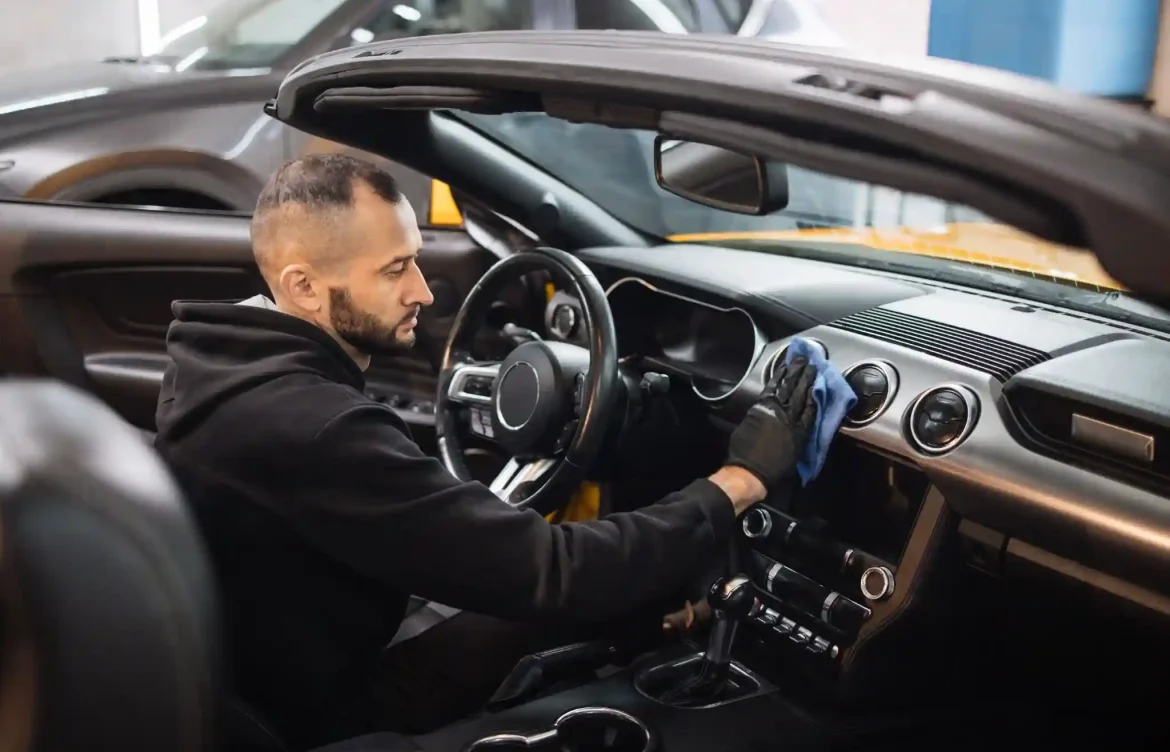
Interior detailing is just as sensitive to timing as exterior work. High humidity levels can slow down drying time for carpets, seats, and upholstery, which may lead to unpleasant odors or even mold growth if not handled properly. This is why dry weather or controlled indoor environments are preferred for interior cleaning. Proper timing ensures faster drying and better hygiene results. If spills or stains occur, immediate detailing is often more effective than waiting for scheduled maintenance. Understanding the best time for car detailing helps maintain both cleanliness and long-term interior condition without risking moisture-related issues.
Post Weather Event Detailing (Rain, Snow, Dust Storms)
Extreme weather events often require immediate attention when it comes to car care. Heavy rain can leave water spots, while snow introduces road salt that can damage paint and metal surfaces if not cleaned quickly. Dust storms and pollution also leave particles that can scratch or dull paint over time. In such cases, waiting too long can lead to permanent damage. That is why the best time for car detailing after these events is as soon as conditions allow. Quick action helps remove harmful contaminants before they settle deeply, preserving both appearance and long-term vehicle health.
Timing Based on Vehicle Age and Condition
New Cars and Early Protection
New cars benefit greatly from early detailing because it helps protect factory paint and interior materials from the start. Applying protective coatings early creates a barrier against environmental damage and keeps the vehicle looking new for longer. The best time for car detailing in new vehicles is usually within the first few months of ownership. This early protection helps reduce wear and makes future maintenance easier, ensuring the car retains its value and appearance over time with less effort required later.
Older Vehicles and Restoration Needs
Older vehicles often require more detailed care because paint, trim, and interiors may already show signs of wear. In these cases, detailing becomes not just maintenance but restoration. Timing is important because it helps prevent further damage while improving appearance gradually. Scheduling detailing before seasonal changes can help protect weakened surfaces from harsh weather conditions. For older vehicles, understanding the best time for car detailing is about balancing restoration work with preventive care to extend overall vehicle life and improve visual condition.
Best Time of Day for Car Detailing
The time of day also plays a major role in detailing results. Early morning or late afternoon is usually ideal because temperatures are cooler and surfaces are not exposed to direct heat. This allows products to apply evenly and cure properly without drying too fast. Midday sunlight can cause uneven finishes and reduce effectiveness, especially for wax and polish. Indoor detailing avoids this issue but still benefits from controlled timing for curing stages. Choosing the best time for car detailing during cooler parts of the day ensures smoother application and better long-term protection.
Common Mistakes in Detailing Timing
One of the most common mistakes people make is detailing their car under direct sunlight, which causes products to dry too quickly and creates uneven finishes. Another mistake is ignoring humidity levels, which can affect bonding and drying time. Many people also rush into detailing right after rain or snow without properly drying the vehicle, which reduces effectiveness and can trap moisture. Avoiding these timing errors is important for achieving a smooth, long-lasting finish and ensuring that detailing products perform as intended.
Conclusion
Car detailing is much more effective when timing is carefully considered instead of being treated as a random task. Weather, season, driving habits, and even time of day all influence how well detailing products perform. Choosing the best time for car detailing ensures better bonding, longer-lasting protection, and improved overall appearance. By planning instead of reacting late, car owners can maintain their vehicles in better condition throughout the year while reducing unnecessary wear and maintenance costs over time.
FAQs
1. What is the best time for car detailing during the year
The best time is usually spring or early fall when temperatures are moderate and weather conditions are stable. These conditions help detailing products bond properly and last longer, providing better protection and a cleaner finish for your vehicle.
2. Can car detailing be done in hot weather
Yes, but it is not recommended during peak sunlight hours. High heat can cause products to dry too quickly, leading to uneven results. Early morning or shaded areas are better for achieving smooth and effective detailing results.
3. How often should a car be detailed
Most vehicles benefit from detailing every three to six months depending on usage, weather exposure, and driving conditions. Regular detailing helps maintain paint protection, interior cleanliness, and overall vehicle condition throughout the year.
4. Is winter a good time for car detailing
Winter can be challenging due to cold temperatures and road salt, but detailing is still important. Indoor detailing is preferred during this season to ensure proper application and protection against winter related damage and buildup.
5. Does timing really affect detailing quality
Yes, timing significantly affects how well products apply, bond, and last. Weather, temperature, and humidity all influence results. Choosing the best time for car detailing ensures better durability, appearance, and long term protection for your vehicle.