
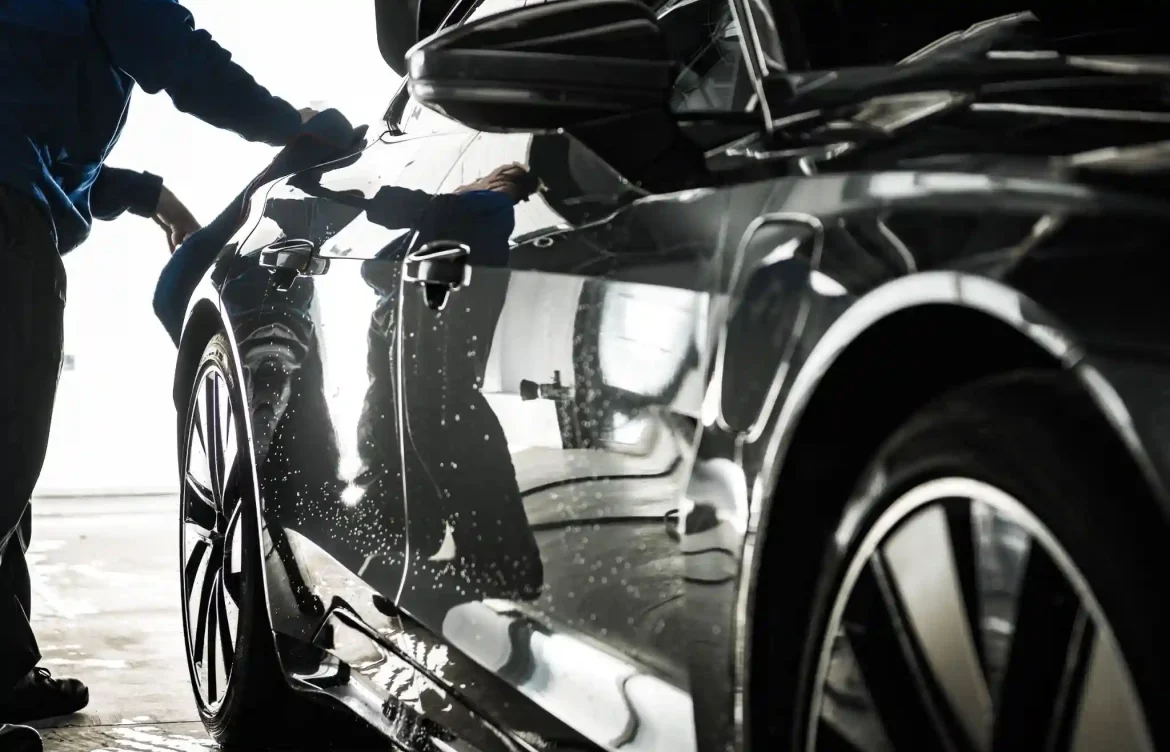
Is Ceramic Coating Part of Car Detailing and Is It Worth the Investment?
Car care has changed a lot in recent years. Traditional waxing is no longer the only option for protecting paint. One of the most discussed upgrades in car detailing today is ceramic coating. It promises long-lasting shine, strong protection, and easier cleaning. That sounds impressive, but it also raises a key question: is it really worth the investment, or just marketing hype? To answer that, it is important to understand what ceramic coating actually does, how it fits into detailing, and for whom it makes the most sense.
What Ceramic Coating Actually Is
Ceramic coating is a liquid polymer applied to a vehicle’s exterior surfaces. Once cured, it chemically bonds with the factory paint and creates a semi-permanent protective layer. Unlike wax, which sits on top and wears off quickly, ceramic coating becomes part of the clear coat system. This is why it lasts much longer under normal conditions. The main ingredient is usually silicon dioxide (SiO₂), derived from quartz or sand, forming a hard, glass-like surface. Professional-grade coatings are more durable, while DIY versions are easier to apply but typically less long-lasting.
Role of Ceramic Coating in Car Detailing Services
In professional car detailing, ceramic coating is not an isolated step. It is part of a structured process. Before application, the vehicle must be thoroughly cleaned, decontaminated, and often polished through paint correction. This step removes swirl marks and surface defects. If this preparation is skipped, the coating will lock in imperfections instead of hiding them. That reduces both appearance and performance. This is why ceramic coating is considered a finishing layer, not a shortcut to perfect paint.
Key Benefits of Ceramic Coating for Vehicle Owners
One of the main advantages of ceramic coating is long-term protection. It helps shield paint from UV rays, oxidation, and environmental contaminants like bird droppings or road grime. It also creates a hydrophobic surface where water and dirt slide off more easily, making cleaning faster and less frequent. Another benefit is visual enhancement. The coating deepens gloss and gives paint a richer, more reflective finish. For many owners, this improved appearance alone is a strong motivation to invest.
Limitations and Misconceptions About Ceramic Coating
Despite its popularity, ceramic coating is often misunderstood. It is not scratch-proof, even though it adds a layer of hardness. It cannot replace careful washing or physical protection like paint protection film. Another misconception is that it eliminates maintenance. In reality, maintenance is still required, just less intensive. Dirt still accumulates, and improper washing can still damage the surface. Ceramic coating reduces effort, but it does not remove responsibility for care.
Cost Factors and Investment Analysis
The price of ceramic coating depends on several factors. Professional application is more expensive but offers higher durability and better finish quality. DIY kits are cheaper but require skill and patience. Vehicle size also affects cost, as larger cars need more product and labor. The condition of the paint matters too, since correction work increases total pricing. While the upfront cost can be high, long-lasting protection often replaces repeated waxing, which changes the value perspective over time.
When Ceramic Coating Is Worth It
Ceramic coating is most valuable for daily drivers exposed to constant weather and dirt, as it reduces cleaning effort and protects paint over time. It is also highly beneficial for luxury or new vehicles, where maintaining appearance and resale value is important. Climate plays a role too. In hot, sunny, or polluted environments, protection becomes more meaningful. If a car is expected to be kept for several years, the investment usually makes more sense than short-term ownership scenarios.
When Ceramic Coating May Not Be Necessary
There are cases where ceramic coating may not be essential. If a car is only kept for a short period, the long-term benefits may not justify the cost. Budget is another factor, since initial investment is higher compared to waxing or sealants. Vehicles stored mostly indoors or used rarely may not need advanced protection either. In such situations, simpler detailing methods can provide sufficient care without additional expense.
Maintenance Requirements After Ceramic Coating
Even after application, ceramic coating still requires maintenance. Regular washing is important to prevent dirt buildup, although the process is easier compared to untreated paint. pH-neutral shampoos are recommended to preserve the coating layer. Soft microfiber towels help avoid micro-scratches during cleaning. Occasional inspections and booster sprays can help maintain hydrophobic performance. Proper maintenance significantly extends coating effectiveness and ensures long-term results.
Ceramic Coating vs Other Detailing Options
Ceramic coating is one of several protection methods in car detailing. Wax is the simplest option, offering short-term shine but limited durability. Paint sealants last longer but still fall short of ceramic performance. Paint protection film (PPF) provides stronger physical defense against chips and scratches but is more expensive and less focused on gloss. Ceramic coating sits in the middle, balancing protection, appearance, and cost efficiency, making it a versatile choice for many drivers.
Common Mistakes Car Owners Make
Many owners make mistakes when using ceramic coating. One major error is skipping paint correction, which locks in scratches under the coating. Another is expecting complete scratch resistance, which leads to unrealistic expectations. Some also neglect maintenance, assuming the coating is permanent. Improper washing techniques can also reduce performance over time. Understanding these limitations is essential for getting full value from the investment.
Future of Ceramic Coating in Car Detailing Industry
The ceramic coating industry continues to evolve with new technologies. Advanced nano-formulations are improving durability, chemical resistance, and hydrophobic effects. Some developments are exploring self-healing properties for minor surface imperfections. Application is also becoming more accessible to non-professionals. As innovation continues, ceramic coatings are likely to become a standard part of modern vehicle care rather than a premium upgrade.
Final Verdict
Ceramic coating is not a miracle solution, but it is a powerful enhancement in car detailing when used correctly. It offers clear benefits in protection, appearance, and maintenance convenience. However, it requires realistic expectations and proper care. It is most worthwhile for owners who keep their cars long-term and want consistent appearance with less cleaning effort. For short-term ownership or limited budgets, simpler alternatives may be more practical. Ultimately, its value depends on usage, expectations, and commitment to maintenance.