
Can Car Detailing Remove Scratches, Swirl Marks, and Oxidation?
A car’s exterior is constantly exposed to environmental elements, daily wear, and improper maintenance practices. Over time, even the most well-maintained vehicles begin to show visible imperfections such as scratches, swirl marks, and oxidation. These issues not only affect the visual appeal of the car but can also reduce its resale value and long-term durability.
For many car owners, the natural question arises: can professional car detailing actually remove these imperfections, or is it simply a cosmetic enhancement?
The answer lies somewhere in between. Car detailing, especially when it includes advanced techniques like paint correction, can dramatically improve the condition of a vehicle’s surface. In many cases, it can completely remove minor defects and significantly reduce more serious ones. However, its effectiveness depends on several factors, including the depth of the damage, the condition of the paint, and the techniques used.
In 2026, car detailing has evolved into a highly specialized field, combining science, skill, and advanced tools to restore vehicles to near-perfect condition. Understanding how detailing works, and what it can realistically achieve, helps car owners make informed decisions about maintaining and restoring their vehicles.
Understanding the Structure of Car Paint
To fully understand how detailing removes imperfections, it is important to first understand how car paint is structured. Modern automotive paint systems are made up of multiple layers, each serving a specific purpose.
At the base is the metal body of the vehicle, followed by a primer layer that helps the paint adhere properly. On top of this sits the base coat, which provides the color. The outermost layer is the clear coat, a transparent protective layer that gives the car its shine and protects the paint beneath it.
Most visible imperfections, including swirl marks and light scratches, occur within the clear coat. This is crucial because it means they can often be corrected without affecting the underlying paint.
However, deeper damage that penetrates beyond the clear coat into the base coat or primer presents a more serious challenge and typically requires more advanced repair methods beyond standard detailing.
What Exactly Is Car Detailing?
Car detailing is far more than a simple wash or polish. It is a meticulous, multi-step process designed to clean, restore, and protect every part of a vehicle, both inside and out. When it comes to the exterior, detailing focuses heavily on restoring the paintwork to its best possible condition.
The process typically begins with a thorough wash to remove dirt and debris, followed by decontamination using clay bars or chemical treatments to eliminate embedded contaminants. After this preparation, the real transformation begins through polishing and paint correction.
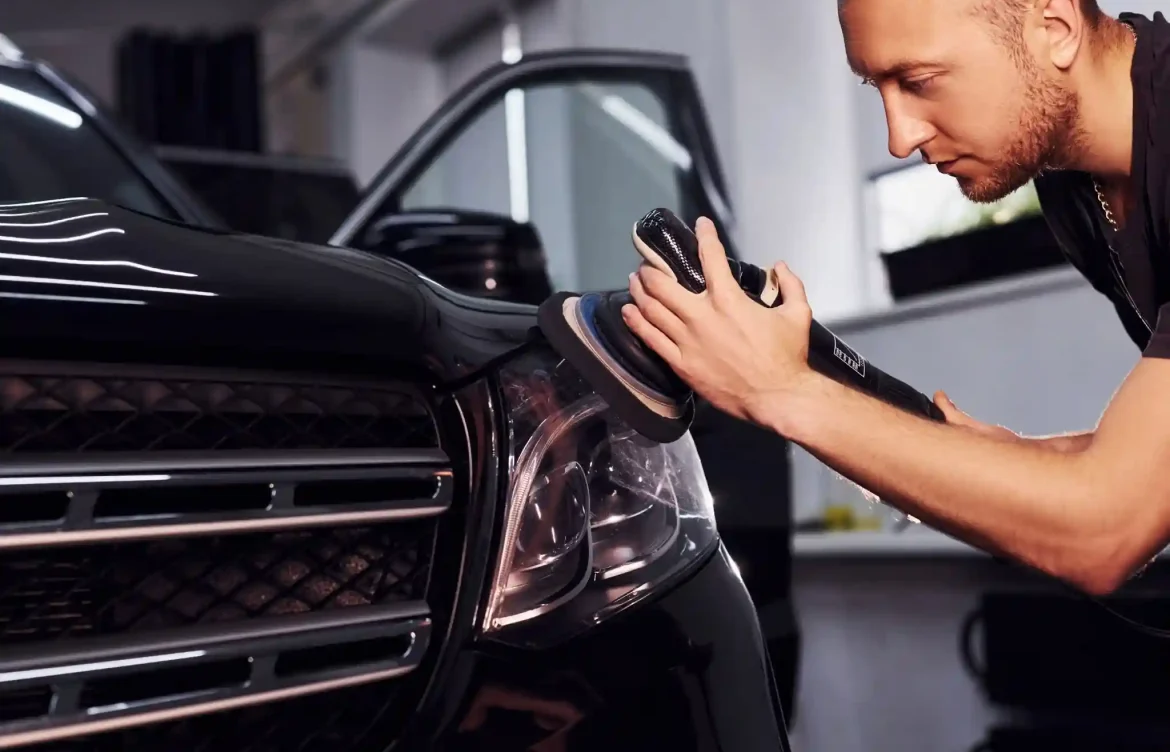
Paint correction is the stage where scratches, swirl marks, and oxidation are addressed. Using specialized machines and abrasive compounds, detailers carefully remove a microscopic layer of the clear coat to level the surface and eliminate imperfections.
This process requires precision and expertise, as removing too much of the clear coat can cause damage. When done correctly, however, it can completely transform the appearance of a vehicle.
Can Car Detailing Remove Scratches?
Scratches are one of the most common concerns for car owners, but not all scratches are the same. Their depth determines whether they can be removed through detailing.
Light scratches, often referred to as surface scratches, affect only the clear coat. These are typically caused by minor contact, improper washing techniques, or environmental debris. Because they do not penetrate deeper layers, they can usually be completely removed through polishing.
Moderate scratches extend deeper into the clear coat and may slightly reach the base coat. While detailing can significantly reduce their visibility, it may not completely eliminate them. In such cases, the scratch becomes less noticeable because the surrounding paint is leveled and blended.
Deep scratches, which penetrate through the clear coat into the base coat or even the metal, cannot be removed through detailing alone. These require touch-up paint or professional repainting to fully restore the surface.
The key takeaway is that detailing is highly effective for surface-level damage but has limitations when it comes to deeper structural issues.
How Detailing Eliminates Swirl Marks
Swirl marks are one of the most frustrating imperfections for car owners because they are often caused by routine maintenance practices, such as improper washing or drying techniques. These fine circular scratches scatter light, making the paint appear dull and hazy.
Fortunately, swirl marks are usually shallow and confined to the clear coat, making them ideal candidates for removal through detailing.
During the polishing stage, abrasive compounds are used to smooth out the surface of the clear coat. This process removes the tiny ridges and valleys that cause swirl marks, restoring a smooth, reflective finish.
Machine polishing is particularly effective in this regard, as it provides consistent pressure and motion that cannot be achieved by hand. After proper correction, the paint regains its depth, clarity, and gloss, often appearing better than it did when the vehicle was new.
Can Oxidation Be Reversed Through Detailing?
Oxidation is a more gradual form of paint damage that occurs when the surface is exposed to oxygen, sunlight, and environmental pollutants over time. It is especially common in vehicles that are frequently parked outdoors without protection.
As oxidation progresses, the paint begins to lose its shine and may appear dull, chalky, or faded. In severe cases, the surface can feel rough and uneven.
Detailing can be highly effective in reversing early and moderate oxidation. Through polishing, the oxidized layer is removed, revealing fresh, healthy paint beneath. This process restores the original color and shine of the vehicle.
However, if oxidation has penetrated too deeply or has been neglected for a long period, it may cause permanent damage that cannot be fully corrected. In such cases, repainting may be the only solution.
The Importance of Paint Correction
Paint correction is the cornerstone of effective car detailing. It is the process that directly addresses imperfections in the paint and determines the overall quality of the results.
This process involves multiple stages, starting with a more aggressive compound to remove deeper defects, followed by finer polishes to refine the surface and enhance gloss. Each stage requires careful evaluation to ensure the right level of correction without compromising the integrity of the paint.
Professional detailers often use specialized lighting to identify imperfections that are not visible under normal conditions. This allows them to target specific areas and achieve a more precise finish.
The result of proper paint correction is a smooth, mirror-like surface that reflects light evenly and enhances the overall appearance of the vehicle.
Why Professional Detailing Makes a Difference
While many car owners attempt DIY detailing, professional services often deliver significantly better results. This is because professional detailers have access to advanced tools, high-quality products, and the experience needed to handle different types of paint and damage.
They understand how to assess the condition of the paint, choose the appropriate level of correction, and apply techniques safely and effectively. This reduces the risk of over-polishing or causing additional damage.
Professional detailing also ensures consistency, as machines provide uniform results that are difficult to achieve manually.
Maintaining Results After Detailing
Once a vehicle has been detailed, proper maintenance is essential to preserve the results. Without protection, the paint can quickly develop new imperfections.
Applying protective layers such as wax, sealants, or ceramic coatings helps shield the surface from environmental damage. These products create a barrier that reduces the risk of scratches, UV damage, and oxidation.
In addition to protection, proper washing techniques play a critical role. Using clean microfiber cloths, gentle cleaning products, and the correct methods can prevent the reappearance of swirl marks and scratches.
Regular maintenance ensures that the vehicle retains its restored appearance for as long as possible.
FAQs
1. Can car detailing completely remove all scratches?
Car detailing can completely remove light scratches that are limited to the clear coat. These surface-level imperfections are corrected through polishing and paint correction techniques. However, deeper scratches that extend into the base coat or metal cannot be fully removed through detailing alone. In such cases, detailing can significantly reduce their visibility, but additional repair methods like touch-up paint or repainting may be required.
2. How long do the results of car detailing last?
The results of car detailing can last several months, depending on how well the vehicle is maintained. Protective coatings such as wax or ceramic coatings can extend the lifespan of the finish. Regular washing using proper techniques also helps preserve the results. Without proper care, environmental exposure and daily use can gradually reintroduce swirl marks, scratches, and oxidation over time.
3. Is paint correction safe for all vehicles?
Paint correction is generally safe when performed correctly, but it requires careful handling. Since the process involves removing a thin layer of the clear coat, excessive polishing can cause damage. Professional detailers assess paint thickness and condition before starting. Older vehicles or those with thin paint may require a more conservative approach to ensure safety while still improving appearance.
4. How often should I get my car detailed?
Most vehicles benefit from professional detailing every four to six months, depending on usage and environmental exposure. Regular detailing helps maintain the paint’s condition and prevents long-term damage. Vehicles exposed to harsh conditions, such as extreme sunlight or pollution, may require more frequent care. Consistent maintenance between detailing sessions also plays a key role in preserving results.
Final Thoughts
Car detailing is far more than a cosmetic upgrade, it is a highly effective method for restoring and protecting a vehicle’s exterior. While it cannot repair every type of damage, it excels at removing swirl marks, correcting light scratches, and reversing early stages of oxidation. The transformation achieved through proper detailing can significantly enhance both the appearance and value of a vehicle.
Understanding the capabilities and limitations of detailing allows car owners to set realistic expectations and make informed decisions. With professional expertise and proper maintenance, the results can be long-lasting, keeping the vehicle looking polished and well-preserved. Investing in detailing is not just about aesthetics, it is about maintaining the integrity and longevity of your car over time.